Saqiz is one of the most historical cities in Kurdistan and the world, located in East Kurdistan. This ancient city was once the center of history and culture. Today, the title of "the jewel of
Kurdistan's history" has become the symbol of the city.
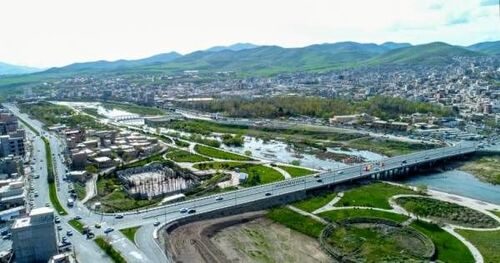
Saqiz has four main areas named Navand, Zeviya, Imam and Sarshiv, which themselves include several smaller areas and villages.
According to the latest census conducted in 2021, the population of Saqiz is about 182,000 people and the total population of the area reaches about 237,000 people, who speak the Sorani dialect and Sunni Islam.
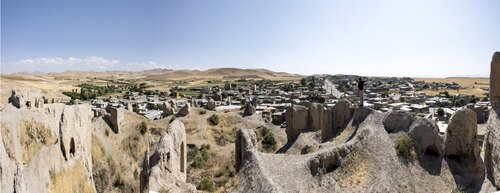
Saqiz's location on a number of hills and heights and proximity to the Zagros Mountains and an altitude of 1476 meters above sea level has caused it to have a cold, desert climate, cold winters and glaciers, while cool nights in summer.
A river that flows through the city and divides the city into two parts and gives the city a special and charming view, originates in the mountains of Wazana in the Zagros mountain range.
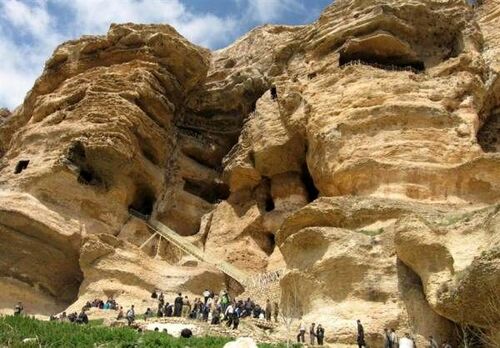
The antiquity of Saqqez dates back to 3,500 years ago, although some researchers and archaeologists extend this history to 7,000 years ago, but so far according to the remains found in Saqiz and different areas, the history of more than 3,000 years has been confirmed.
This long and valuable history of Saqiz, which remains in the framework of monuments, castles, buildings and old neighborhoods today, along with the beautiful nature and scenery of the region, has attracted tourists and archaeologists from all over the world.
Most of the tourist attractions are ancient and historical sites, including Zewiya Castle, Karaftu Cave, Two Minara Mosque, Sheikh Mazhar Mosque, Turjan Mosque, Sheikh Hassan Maulana Mosque, Haji Salih Bath and Tazhawanchi Caravanserai Historical monuments and sites of Saqiz.
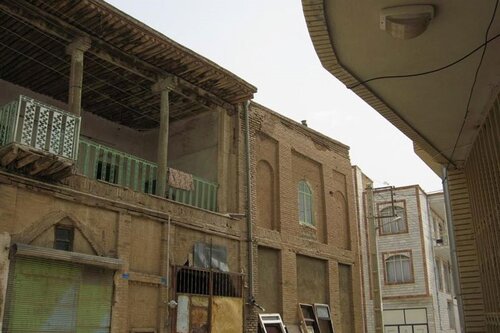
In these places and dozens of other places and areas of Saqiz, treasures, relics, historical objects such as gold, silver, pots, etc. have been found that have been collected in famous museums around the world and are in front of tourists.
As the name of Saqz suggests, this city was the capital of the Sakas, who were called Sakz or Sakzi.
During the Manna period, the city was called Izirta and after them Iskit, which was later changed by the Sakas.
This is obviously the reason why the Sakas joined the rule after Hovakhstra, the greatest king of the Medes, came to power and refrained from fighting them.
In this regard, Roman Gershman, a famous French-Ukrainian historian and archaeologist, says: The Sakas made part of Kurdistan their capital, which is now one of the oldest cities in the world with a history of three thousand years.
After the advent of Islam and the defeat of the Sassanid Empire and the establishment of the nobility in Kurdistan, Klol Beg, the famous Ardalan Khan, took control of Saqiz in 620 AD and the city fell under Ardalan rule. Then, due to the border between the Ottoman Empire and Iran, it was ruled by one of the two governments. During the Qajar period, Nasreddin Shah Qajar ended the rule of the Ardalans in Saqiz, although some of the Ardalan khans later ruled Saqiz and its areas.
In contemporary history, the people of Saqiz have constantly been active in the struggles and revolutions of the Kurdish people in Kurdistan and have even made many sacrifices. Saqiz also played a significant role in the Great Revolution of Samko Shakak and the 1979 liberation struggle against the monarchy.
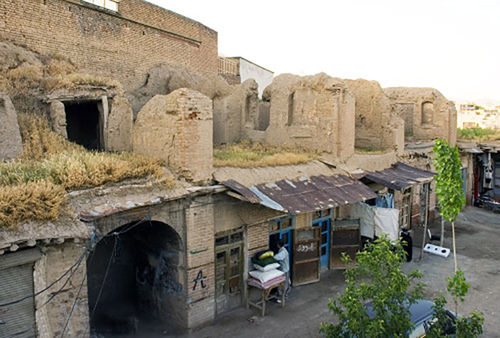
This city is known as the historical city of Kurdistan, the city of May, the city of knowledge and literature, the city of wrestling and the capital of Kurdish theater, etc.
Perhaps this revolutionary feeling of this city has caused the authorities not to pay much attention to the development of this city and one of the most historic cities in the world does not even have a museum.